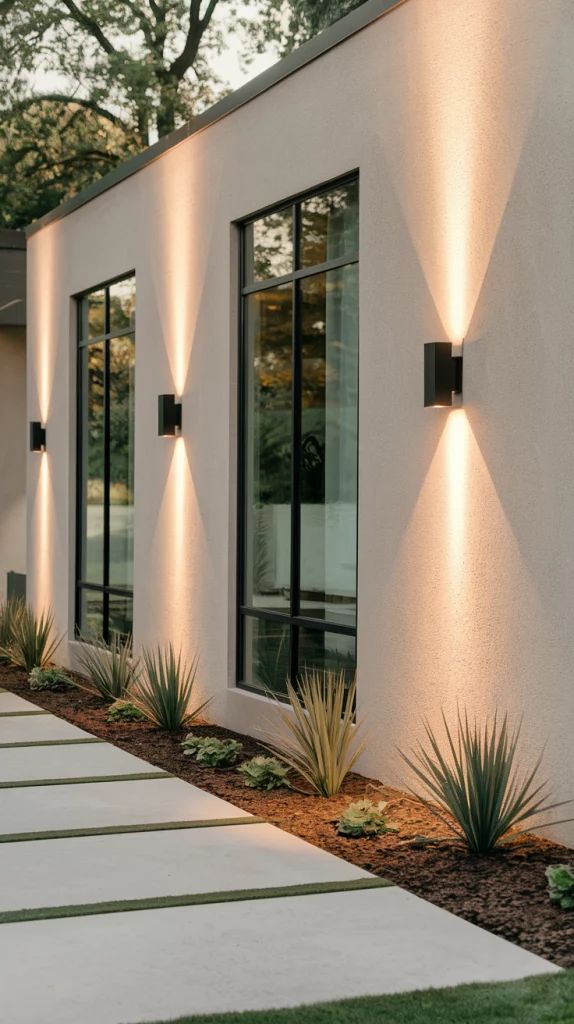
Austin’s climate presents unique challenges for outdoor lighting. With scorching summers, unexpected downpours, and occasional cold snaps, it’s essential to choose lighting fixtures that can withstand these conditions.
At Sunscape Outdoor Lighting, we specialize in providing solutions that not only enhance your home’s aesthetics but also endure the test of time.
Understanding Austin’s Climate and Its Impact on Outdoor Lighting
Austin, Texas, is renowned for its vibrant culture and picturesque landscapes. However, its climate poses specific challenges for outdoor lighting. The city experiences hot summers with temperatures often soaring above 100°F (38°C), sudden thunderstorms, and occasional cold snaps in winter. These conditions can be harsh on outdoor fixtures, leading to premature wear and tear.
Heat and UV Exposure: Prolonged exposure to intense sunlight can cause materials like plastic and low-grade metals to fade, become brittle, or warp. UV rays can degrade the integrity of certain materials, leading to cracks and discoloration.
Humidity and Rain: Austin’s humidity levels can be high, especially during the summer months. Combined with sudden rainstorms, this moisture can infiltrate poorly sealed fixtures, leading to corrosion, electrical failures, and mold growth.
Cold Snaps: While not frequent, Austin does experience occasional freezes. These sudden temperature drops can cause materials to contract rapidly, leading to cracks or seal failures in fixtures not designed for such fluctuations.
Given these climatic challenges, it’s imperative to select outdoor lighting fixtures specifically designed to withstand Austin’s unique weather patterns.
These factors necessitate the selection of lighting fixtures designed to resist corrosion, fading, and water ingress.
Why Weatherproof Lighting Is a Must in Austin
Austin weather is unpredictable—sun-soaked summers, flash floods, hailstorms, and the occasional freeze. If your outdoor lighting isn’t built to survive the elements, you’ll be replacing fixtures more often than changing a light bulb.
Did You Miss? 10 Outdoor Lighting Ideas to Boost Your Curb Appeal Instantly
Choosing the right weatherproof outdoor lighting protects your investment and keeps your home looking elegant year-round.
Key Features to Look for in Weatherproof Lighting Fixtures
1. Material Durability
Opt for fixtures made from materials known for their resilience:
- Stainless Steel: Resists rust and corrosion.
- Brass and Copper: Develop a protective patina over time, enhancing durability.
- Powder-Coated Aluminum: Offers a balance between weight and resistance to the elements.
2. Ingress Protection (IP) Rating
The IP rating indicates the level of protection against solids and liquids:
- IP65: Dust-tight and protected against water jets.
- IP66: Dust-tight and protected against powerful water jets.
- IP67: Dust-tight and protected against immersion up to 1 meter.
For Austin’s climate, a minimum of IP65 is recommended.
3. UV Resistance
Ensure fixtures are UV-resistant to prevent discoloration and material degradation due to sun exposure.
4. Temperature Tolerance
Fixtures should operate efficiently across a range of temperatures, ideally from -20°F to 120°F, to handle Austin’s temperature fluctuations.
Common Weather Challenges in Austin
Let’s look at why standard lighting just won’t cut it in Austin.
UV Exposure: Long, hot summers can fade or crack low-quality materials.
Humidity & Rain: Moisture can corrode metal and cause electrical failures.
Sudden Freezes: Temperature swings damage poorly sealed fixtures.
Dust & Debris: Wind-blown particles scratch surfaces and reduce efficiency.
Wildlife & Insects: Bugs often invade exposed fixtures; critters can chew wiring.
Types of Weatherproof Lighting Fixtures Suitable for Austin Homes
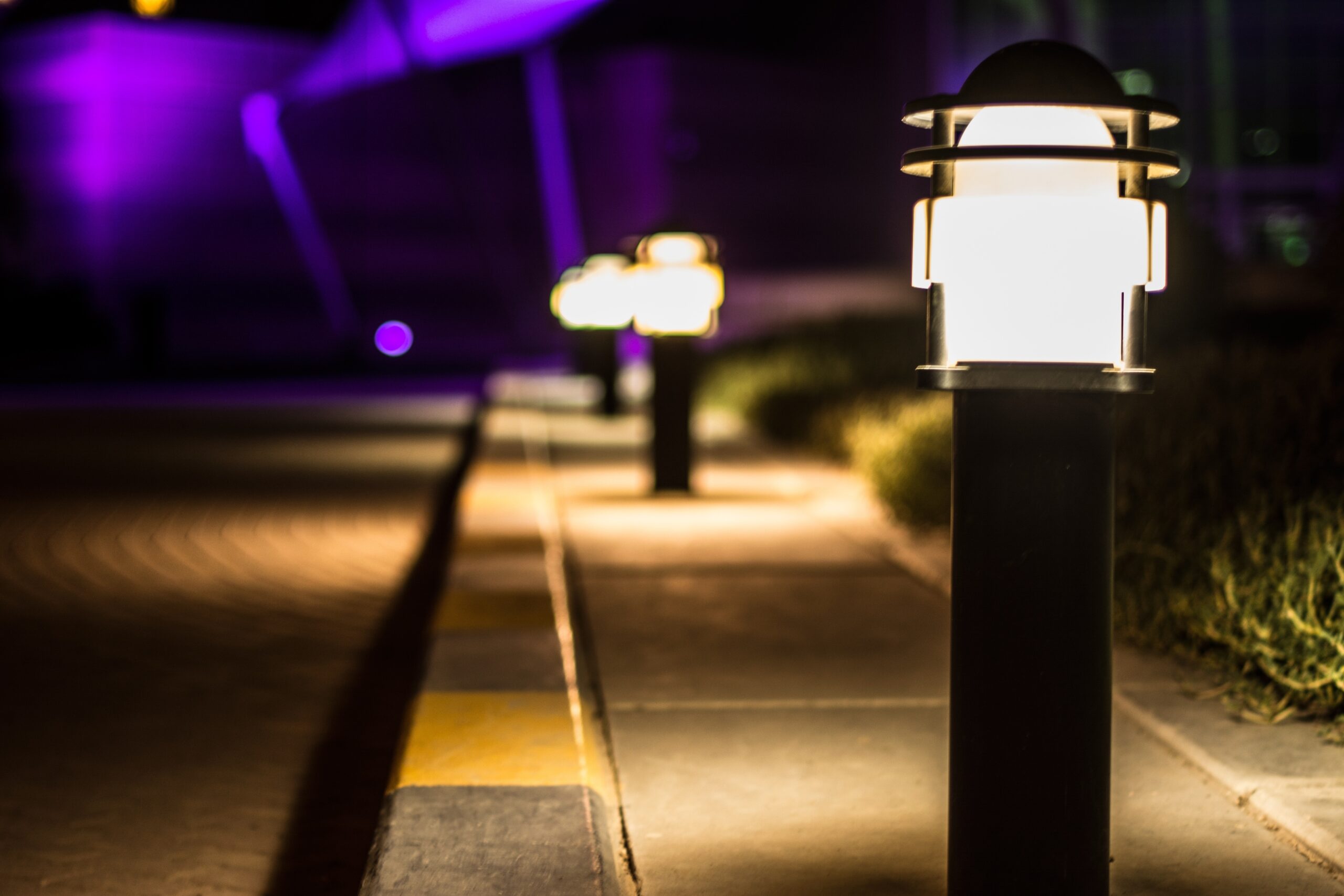
1. Wall-Mounted Lanterns
Ideal for entryways and patios, these fixtures provide ambient lighting and can be found in various styles to match your home’s architecture.
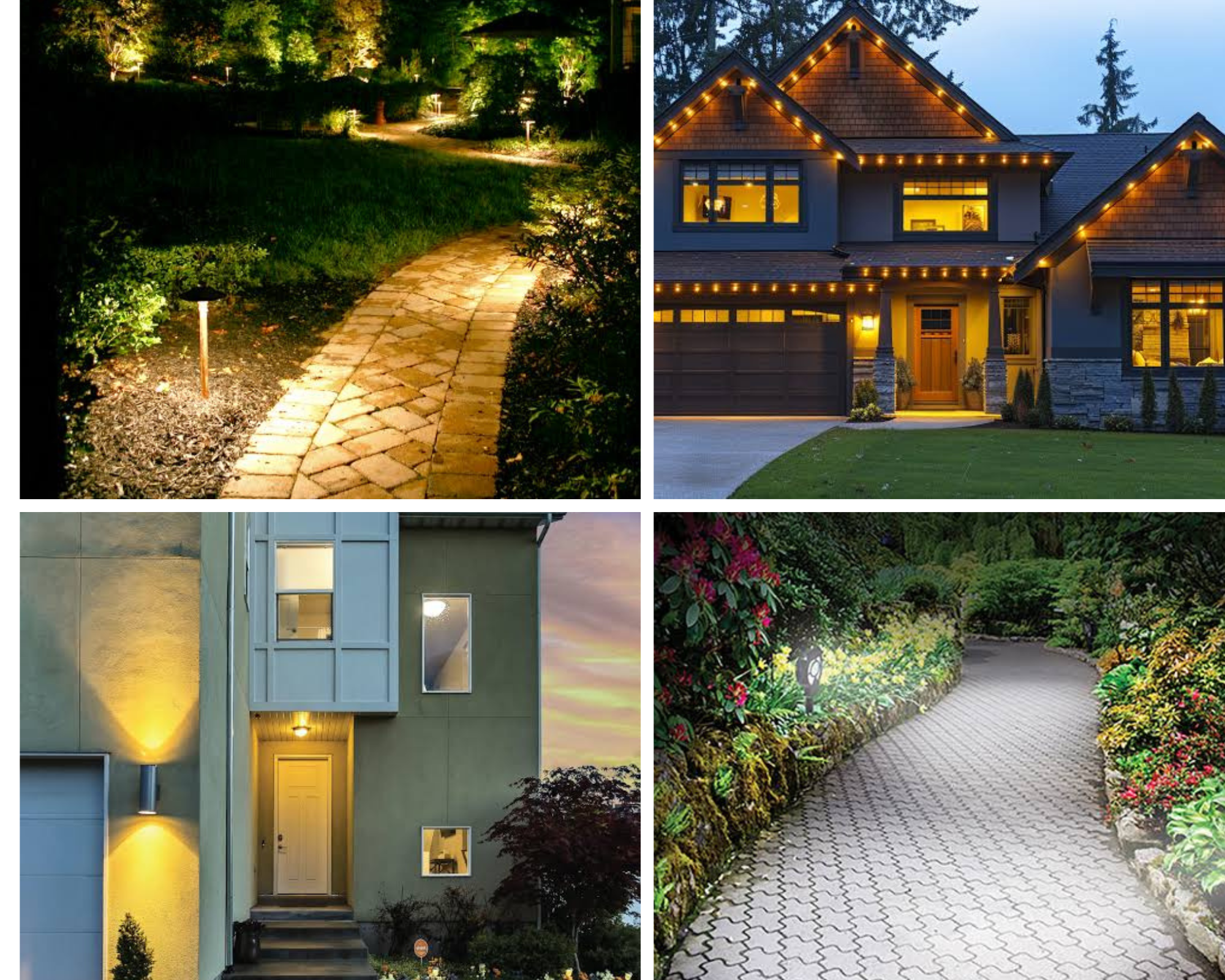
2. Pathway Lights
Enhance safety and aesthetics along walkways. Opt for fixtures with sealed housings to prevent water ingress.
3. Floodlights
Provide broad illumination for driveways and backyards. Choose models with motion sensors for added security and energy efficiency.
4. Deck and Step Lights
Illuminate stairs and deck perimeters to prevent accidents. Recessed options offer a sleek appearance while being protected from the elements.
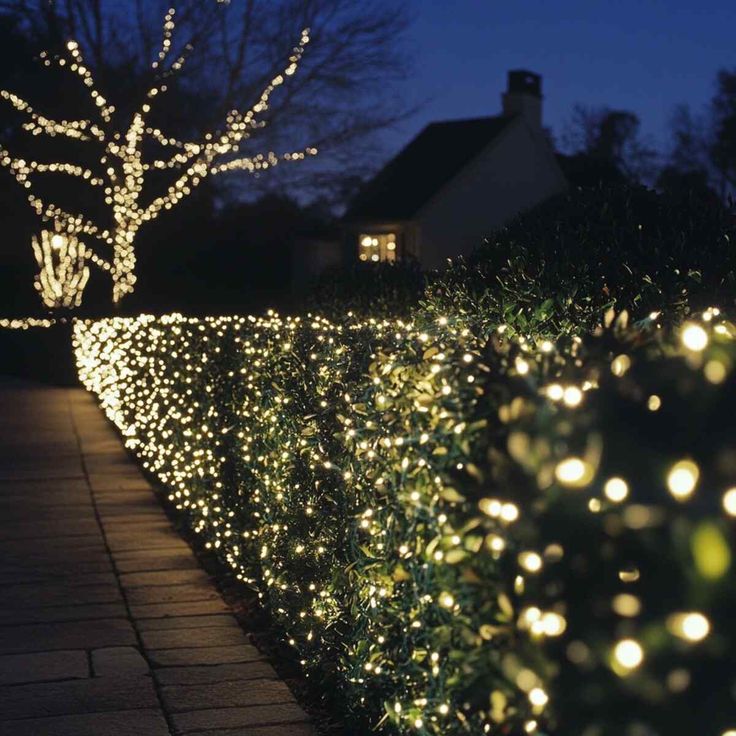
5. String Lights
Perfect for creating ambiance in outdoor seating areas. Ensure they are rated for outdoor use and have weatherproof sockets and seals.
Installation Tips for Maximizing Longevity
- Professional Installation: Ensure fixtures are installed correctly to prevent water ingress and electrical issues.
- Regular Maintenance: Clean fixtures periodically to remove debris and check for signs of wear.
- Proper Sealing: Use appropriate sealants and gaskets to enhance water resistance.
- Smart Controls: Integrate timers and sensors to optimize usage and reduce wear.
Smart Automation + Weatherproofing = Long-Term Savings
Austin homeowners are increasingly turning to smart outdoor lighting. When combined with weatherproof fixtures, smart systems offer:
- Energy savings through motion sensors and timers
- Remote control to adjust lighting based on weather or time
- Real-time diagnostics if a fixture fails
Ask Sunscape about smart, weatherproof lighting options for your home.
How to Maintain Weatherproof Fixtures in Texas
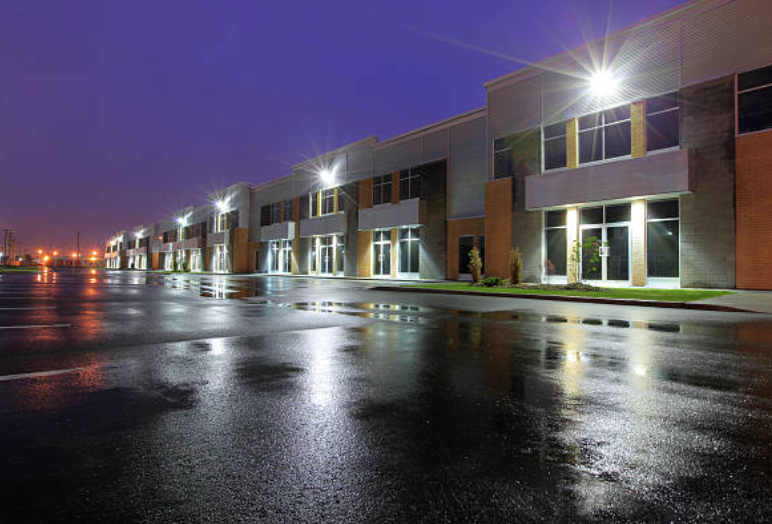
Even weatherproof fixtures need occasional TLC.
Regular maintenance is crucial to ensure the long-term durability, energy efficiency, and optimal performance of outdoor lighting fixtures, especially in Austin’s hot, humid summers and unpredictable stormy seasons. Texas weather can be harsh on even the most rugged equipment, making preventive care essential for avoiding costly repairs and premature replacements.
Routine Cleaning
Dust, pollen, and debris can accumulate on fixtures, diminishing light output. This is especially common in spring and summer when trees and plants release high levels of airborne particles. Clean fixtures with a soft cloth and mild detergent every few months to maintain brightness. For stubborn residue or bug buildup, use a gentle brush or sponge to avoid scratching lenses or surfaces. Don’t forget to clean inside and around the fixture housing to keep airflow and cooling systems working properly.
Inspect Seals and Gaskets
Regularly check for signs of wear or damage in seals and gaskets. Texas’s heat and UV exposure can cause rubber and silicone to dry out, crack, or warp over time. Replacing them promptly prevents moisture ingress, which can lead to corrosion or electrical issues. If water seeps into the housing, it can short-circuit the system or fog up the lens, reducing effectiveness. Use manufacturer-approved replacement parts for best results.
Check for Corrosion
Examine metal components for signs of rust or corrosion. Even fixtures labeled as “weatherproof” can suffer from rust if finishes wear down or are scratched. Early detection allows for timely interventions, such as applying protective coatings or replacing affected parts. Consider using stainless steel or powder-coated materials for longer life in coastal or humid environments. When necessary, sand down corroded areas and apply anti-rust primer to prevent further deterioration.
Monitor Electrical Connections
Ensure all wiring and connections remain secure and free from damage. Loose or frayed wires can pose safety hazards and affect performance. Regular inspections can reveal early signs of rodent damage, weather-induced wear, or even installer mistakes. Look for discoloration, fraying, or exposed copper—signs of overheating or aging wires. Use waterproof wire nuts and junction boxes to safeguard electrical components.
Adjust for Seasonal Changes
As plants grow or seasons change, lighting angles and coverage may need adjustments to maintain desired illumination levels and aesthetics. Bushes, trees, or garden structures can block or redirect light, reducing the impact of your lighting design. Reposition spotlights, path lights, and uplights in spring and fall to account for plant growth and daylight hour changes. Also, realign fixtures after lawn care or landscaping work to ensure optimal aim and function.
Other Tips Include:
- Clean lenses monthly to remove dust and debris. Regular wiping not only maintains brightness but also prevents buildup that can damage lenses over time.
- Check for insect nests or chewed wiring in warm months. Wasps, ants, and rodents often find lighting housings or junction boxes to be attractive shelter spots.
- Tighten seals after extreme weather like hail or heavy rain. Texas storms can shake, loosen, or damage parts of your system—even if they appear intact at a glance.
- Replace gaskets and bulbs every 1–2 years, even if they still function. Older bulbs may dim over time, and gaskets lose their elasticity, becoming less effective at sealing out moisture.
- Apply anti-corrosion spray to metal finishes every 6 months. Use a silicone-based or marine-grade spray for the best protection against rain, humidity, and salt in the air.
Proper maintenance extends the life of your system and ensures your home always looks its best—providing dependable lighting performance and visual appeal—rain or shine.
Eco-Friendly Lighting: Sustainable Fixtures for Austin Yards
Weatherproof doesn’t mean wasteful. Many durable fixtures are also green-friendly:
- Solar-powered bollards and path lights reduce energy bills.
- LEDs use 80% less energy than incandescent or halogen bulbs.
- Fixtures with dimming features allow brightness control and energy savings.
- Long-life bulbs (50,000+ hours) mean less frequent replacements.
Going green with your outdoor lighting is not only good for the environment but great for your wallet.

Integrating Smart Technology with Weatherproof Outdoor Lighting
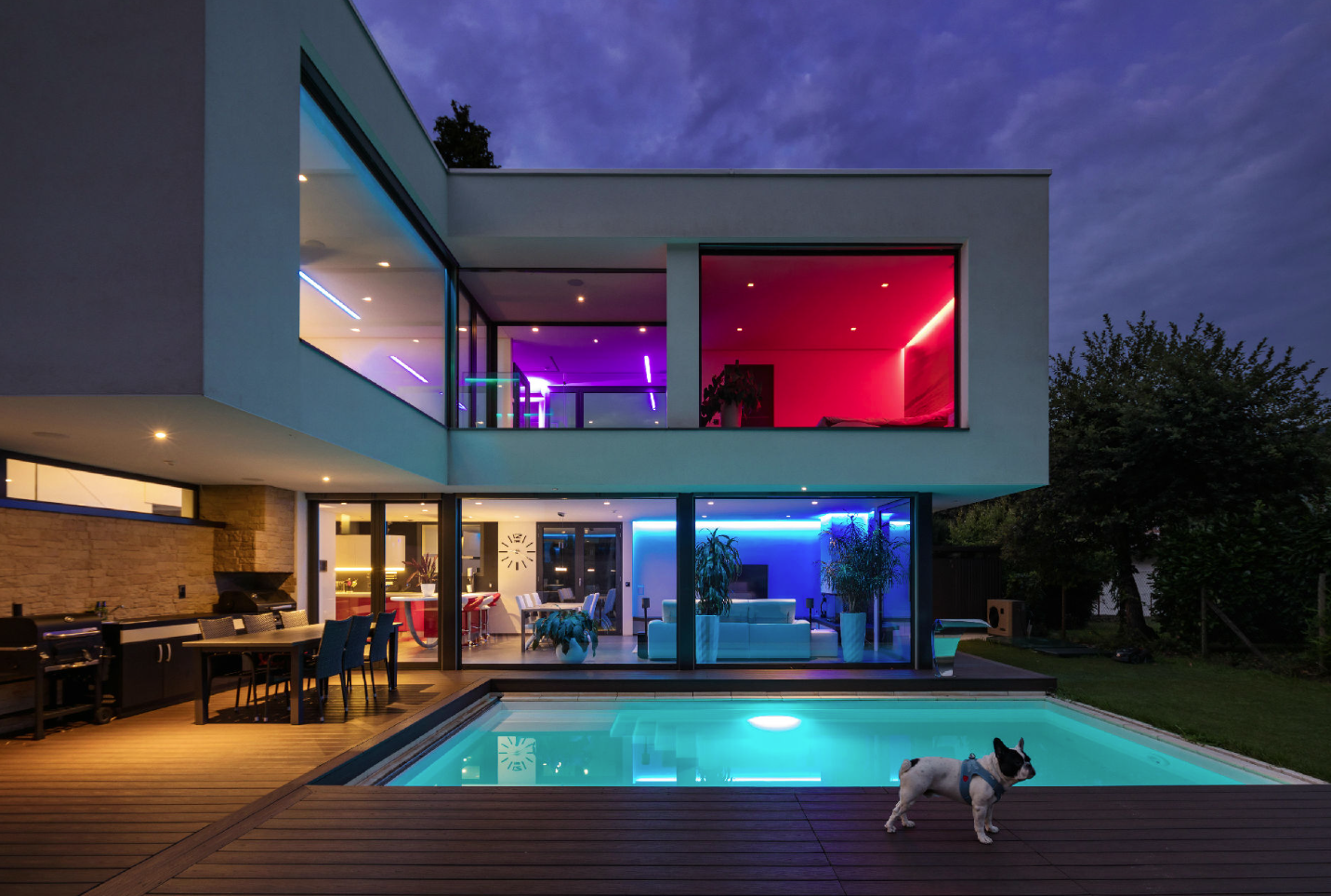
The fusion of smart technology with outdoor lighting offers homeowners enhanced control, energy efficiency, and security. In Austin’s dynamic climate, integrating smart features can optimize lighting performance and adaptability.
People Also Read: 20 Signs You Need an Outdoor Lighting Upgrade | Boost Home Security Today
Automated Scheduling: Smart lighting systems allow users to set schedules, ensuring lights operate only when needed, conserving energy during long daylight hours.
Weather-Responsive Adjustments: Advanced systems can adjust brightness or activate specific lighting scenes based on real-time weather conditions, enhancing safety during storms or foggy conditions.
Remote Control and Monitoring: With smartphone integration, homeowners can control and monitor their outdoor lighting remotely, ensuring lights are off during unexpected absences or turned on before arriving home.
Integration with Other Smart Devices: Outdoor lighting can be synchronized with security systems, cameras, or motion sensors, providing a comprehensive safety net for the property.
Energy Consumption Tracking: Smart systems often provide insights into energy usage, allowing homeowners to make informed decisions to reduce consumption and costs.
By embracing smart technology, Austin homeowners can ensure their outdoor lighting systems are both resilient and responsive to their needs.
Energy Efficiency and Sustainability
Consider LED fixtures for their longevity and low energy consumption. Additionally, solar-powered options can offer sustainable lighting solutions, especially in areas with ample sunlight.
Choosing the right weatherproof lighting fixtures is crucial for Austin homeowners looking to enhance their outdoor spaces. By considering material durability, appropriate IP ratings, and energy-efficient options, you can ensure your lighting stands the test of time.