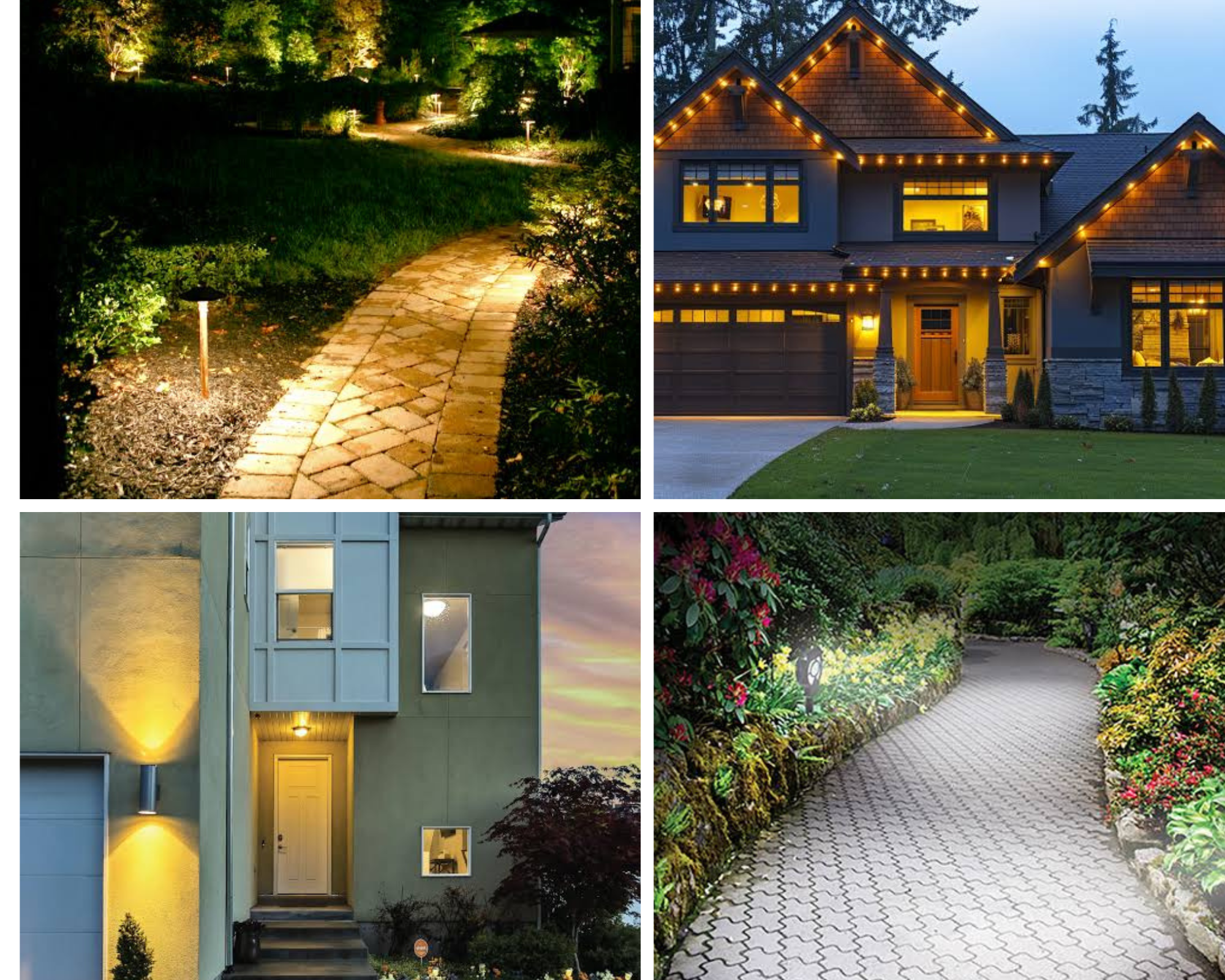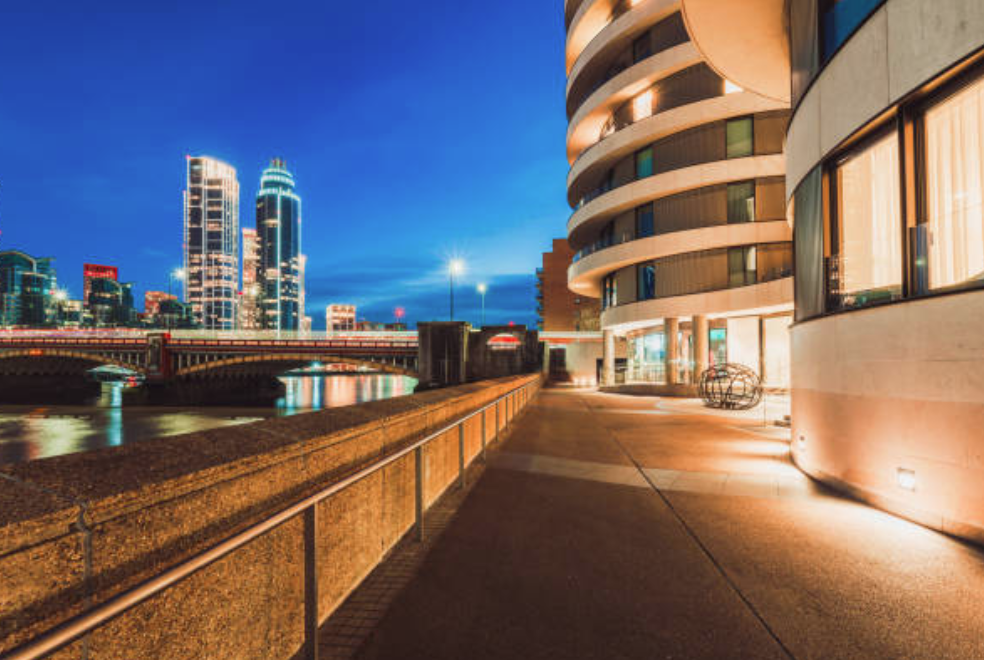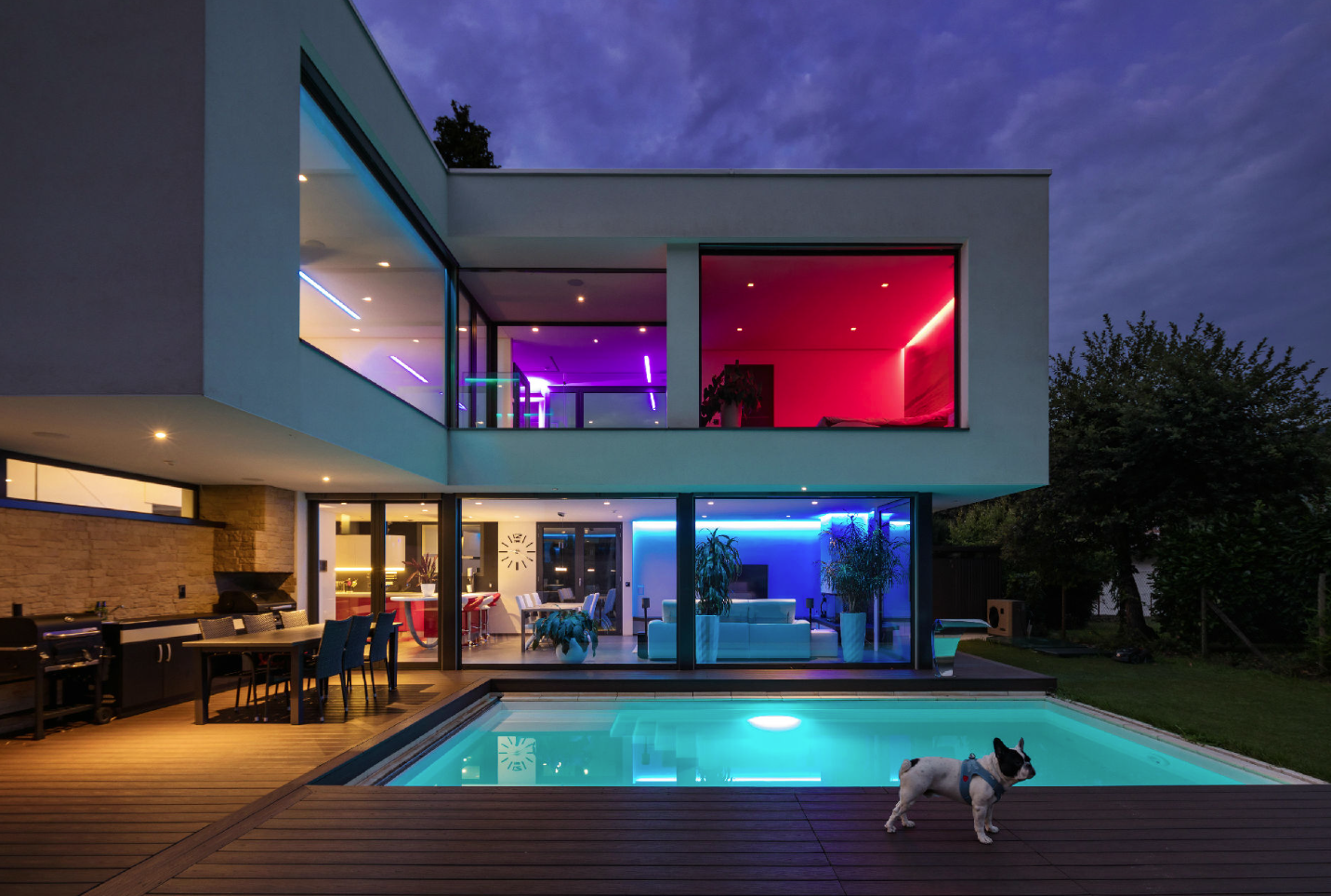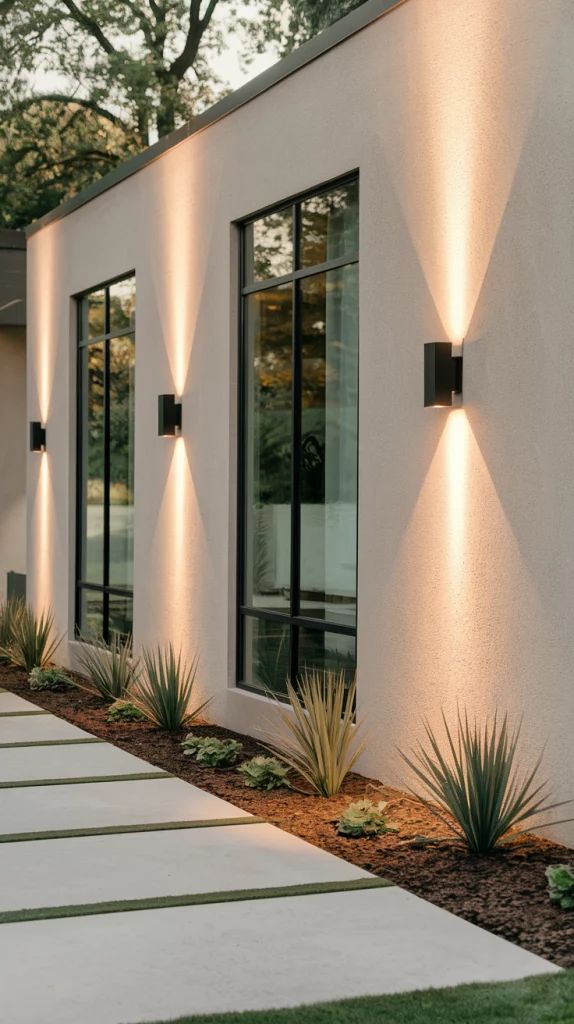
Learn how to brighten your nights with strategic outdoor lighting design that’s tough enough for Texas weather and stylish enough to boost curb appeal.
Designing the perfect outdoor lighting system for your Texas yard is about more than just aesthetics. From blistering sun to unpredictable storms, your lighting must endure while highlighting every beautiful inch of your outdoor space. This guide covers everything: design, durability, functionality, energy efficiency, and regional considerations unique to Texas homeowners.
Why Outdoor Lighting is a Game-Changer in Texas
Texas yards are meant to be enjoyed—even after the sun goes down. Whether you’re relaxing under the stars in Austin, entertaining friends in San Antonio, or boosting curb appeal in Houston, great lighting transforms your property.
- Extended outdoor living hours: Enjoy BBQs, games, and evening swims well into the night.
- Increased home security: Light discourages trespassers and helps you monitor your property.
- Visual appeal: Highlight textures, colors, and structures that add drama and elegance.
- Property value: Professionally installed lighting boosts resale value and buyer interest.
Key Elements of Outdoor Lighting Design
Every effective lighting system considers a few core principles that work together to enhance beauty, safety, and functionality in your outdoor space. Whether you’re illuminating a backyard garden, a pathway, or the façade of your home, thoughtful lighting design is essential.
Layering Light
Use multiple types of lighting—ambient, task, and accent—to create a layered effect. This adds depth and texture to your landscape. Ambient lighting provides general illumination, ensuring visibility and a comfortable atmosphere.
Task lighting focuses on specific areas, like pathways or outdoor kitchens, to enhance safety and usability. Accent lighting highlights architectural features, plants, or sculptures, drawing attention to key focal points.
By thoughtfully combining these layers, you create a dynamic, balanced composition that changes with perspective and use.
Light Placement
Balance is key. Avoid spotlighting everything or over-illuminating one area. Use lighting to guide eyes naturally through the space.
Strategic placement helps establish visual hierarchy, drawing attention to important features while allowing darker areas to provide contrast. Think about sightlines—from inside your home, from patios, and along walkways—to ensure each light serves a purpose.
Layering brightness and considering light spill can also help reduce glare and light pollution while improving the overall visual appeal of your outdoor design.
Fixture Selection
From bullet lights to well lights and wall sconces, your choice of fixture impacts performance and aesthetics. Opt for fixtures that blend with your home’s style and withstand the elements.
Durability is critical—look for weather-resistant materials like powder-coated aluminum, brass, or stainless steel. The finish and shape of a fixture should complement the architectural style of your home, whether modern, rustic, or traditional.
You May Like: Why Homeowners Trust Sunscape for Custom Outdoor Lighting in Austin
Additionally, consider the light output, beam spread, and adjustability of each fixture to ensure it performs well for its intended purpose. Low-voltage and energy-efficient options like LEDs are ideal for long-term sustainability and minimal maintenance.
How to Design Outdoor Lighting Zones for Texas Yards
Creating zones is a foundational strategy in outdoor lighting design—especially for large yards common in Texas. Zones allow for better control, energy efficiency, and a layered lighting experience.
- Entryway Zone: Illuminate your front door, porch, and any address signage. Use wall-mounted sconces, pendant lights, or recessed step lighting. This zone serves both function and style by welcoming guests and improving security.
- Pathways and Driveways: Guiding lights are essential for safety and navigation. Use stake lights or in-ground LEDs spaced appropriately to avoid glare.
- Garden and Landscape Zones: Highlight flower beds, shrubs, and ornamental trees with uplights and well lights. Use directional lighting to cast shadows and textures, creating a dramatic night time garden.
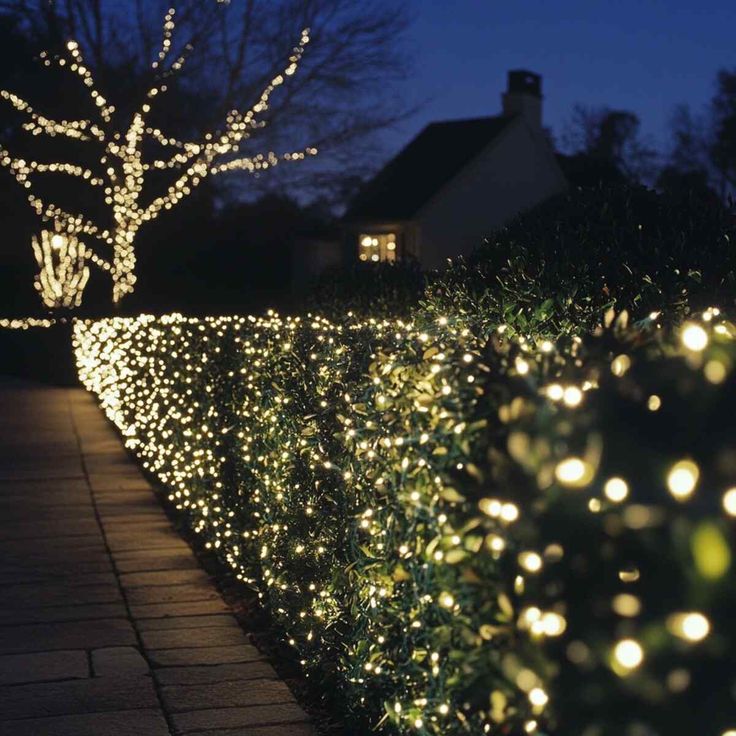
- Social Areas: Decks, patios, and outdoor kitchens benefit from ambient and task lighting. Use string lights for a festive vibe or LED strips for modern edge lighting.
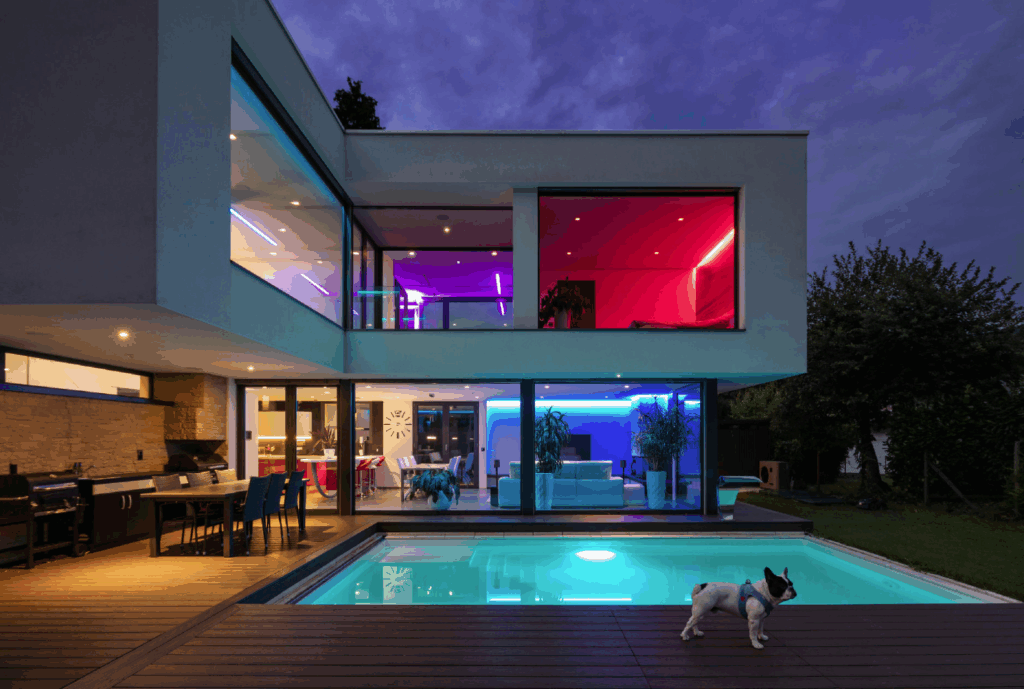
- Pool and Water Features: Water requires specialty lighting that resists corrosion. Underwater LEDs and surrounding floodlights make these areas shine—literally and figuratively.
- Security Zones: Install motion-activated lights around dark or secluded areas like garages, alleyways, and backyards. These zones serve as deterrents while ensuring safety.
Integrating Smart Technology into Your Outdoor Lighting Design
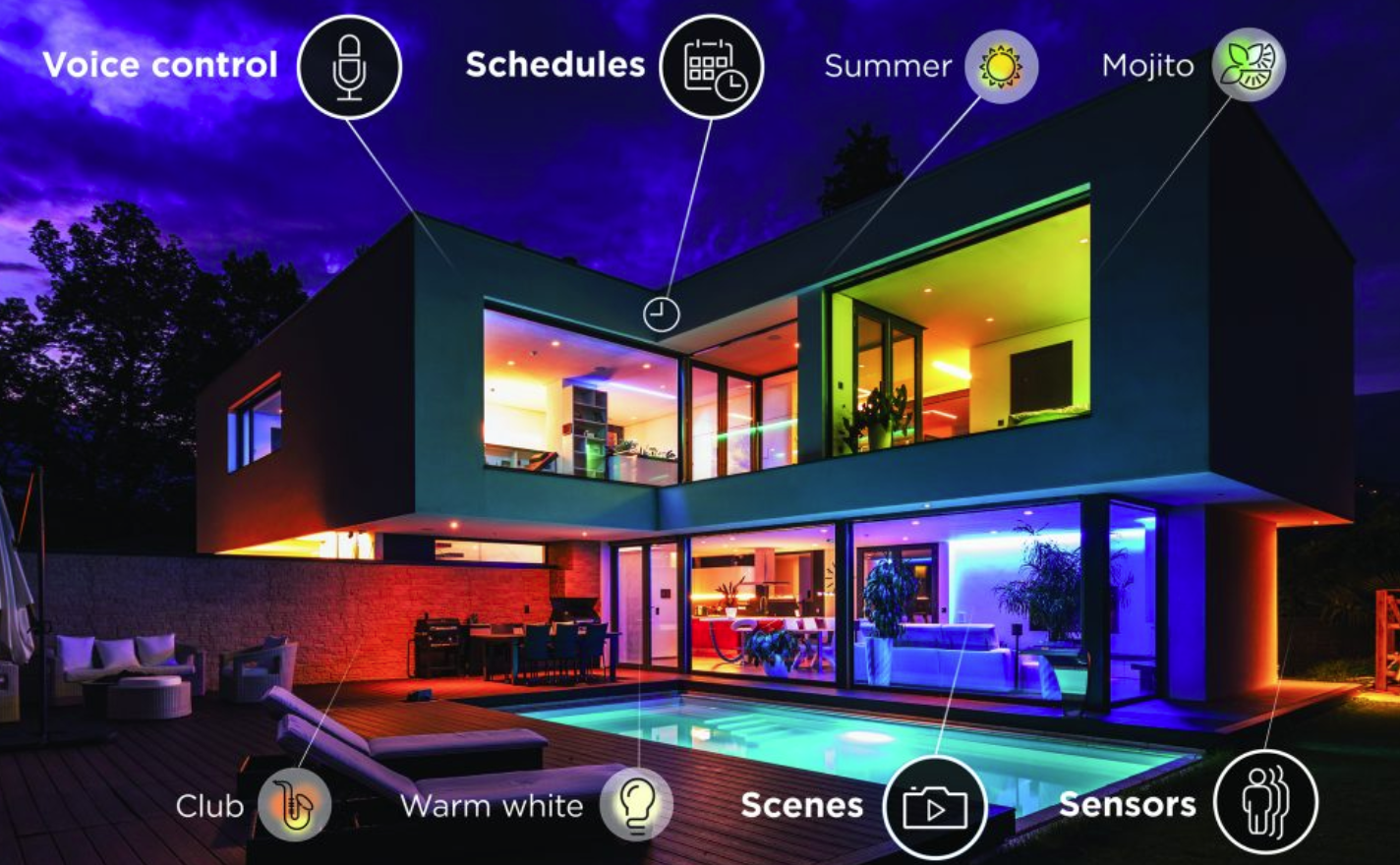
Incorporating smart technology into your outdoor lighting design can significantly enhance both functionality and convenience. Here’s how you can modernize your Texas yard with intelligent lighting solutions:
1. Smart Lighting Controls
Smart lighting systems allow you to control your outdoor lights remotely via smartphone apps or voice assistants like Alexa and Google Assistant. This means you can adjust brightness, change colors, or set schedules without stepping outside.
2. Automated Scheduling
Set your lights to turn on at dusk and off at dawn automatically. This not only saves energy but also ensures your yard is always illuminated when needed.
3. Motion Sensors and Security
Integrate motion sensors to enhance security. Lights can automatically turn on when movement is detected, deterring potential intruders and providing safe passage for residents and guests.
4. Energy Efficiency
Smart systems can monitor energy usage, helping you identify areas where you can save on electricity. Some systems even adjust lighting based on ambient light conditions, ensuring optimal brightness without waste.
5. Integration with Other Smart Devices
Your outdoor lighting can be part of a broader smart home ecosystem. For instance, lights can flash to signal an incoming delivery or integrate with your home security system to provide visual alerts.
6. Custom Scenes and Ambiance
Create custom lighting scenes for different occasions—be it a romantic evening, a festive party, or a quiet night. With smart technology, you can change the mood of your outdoor space with a simple command.
7. Weather Adaptability
Some advanced systems can adjust lighting based on weather forecasts. For example, lights can brighten during foggy conditions or dim during a full moon, ensuring optimal visibility and ambiance.
8. Easy Installation and Scalability
Many smart lighting solutions are designed for easy installation and can be scaled up as needed. Start with essential areas and expand your system over time without significant overhauls.
People Also Read: 10 Outdoor Lighting Ideas to Boost Your Curb Appeal Instantly
By integrating smart technology into your outdoor lighting design, you not only enhance the beauty and functionality of your Texas yard but also add a layer of convenience and security that traditional systems can’t match.
Top Lighting Fixture Materials That Can Handle Texas Weather
Texas climate demands resilience. When choosing outdoor lighting fixtures, always look at material durability.
- Brass Fixtures: Brass is a top choice for Texas homeowners. It develops a natural patina over time but remains corrosion-resistant and incredibly long-lasting.
- Copper Fixtures: Like brass, copper fixtures age beautifully. They’re perfect for homes with traditional or rustic aesthetics and provide excellent weather resistance.
- Stainless Steel: Durable and modern-looking, stainless steel is ideal for contemporary homes. However, it requires regular cleaning to prevent rust in humid Texas conditions.
- Powder-Coated Aluminum: A more affordable option, powder-coated aluminum provides decent protection against corrosion. It’s lightweight and often used for budget-friendly installations.
- Composite Fixtures: These non-metal fixtures offer rust-free durability and work well in coastal or humid areas. They’re often used in landscape lighting and are UV-resistant.
Bonus Tip: No matter the material, make sure your fixtures are UL-listed for wet locations and sealed properly to prevent water ingress.
LED Lighting: The Smart Choice for Energy-Efficient Texas Homes
LED technology has revolutionized outdoor lighting in Texas and beyond. Here’s why it’s a smart investment:
- Longevity: LED bulbs can last up to 50,000 hours—far more than halogen or incandescent options. That means fewer replacements and less hassle.
- Efficiency: LEDs use 75% less energy, keeping electricity bills low. In large Texas yards, where multiple fixtures are common, this adds up to major savings.
- Smart Integration: LEDs work seamlessly with automation systems. Use timers, motion detectors, and smartphone apps to control your lights from anywhere.
- Color and Brightness Control: Choose from warm whites to daylight tones and even color-changing RGB options. Adjustable brightness levels let you customize ambiance for every occasion.
- Environmentally Friendly: LEDs don’t contain mercury, emit less heat, and reduce your carbon footprint—perfect for eco-conscious Texans.
How to Avoid Common Outdoor Lighting Mistakes
Even with the best intentions, homeowners often make costly lighting mistakes that can undermine both the aesthetics and functionality of their outdoor spaces. Avoiding these pitfalls can save time, money, and frustration in the long run.
Over-Illumination: Too much light can create harsh shadows and glare. Stick to a layered approach and test at night before final installation.
Excessive brightness not only washes out the natural beauty of your landscaping but can also create uncomfortable environments and contribute to unnecessary energy consumption.
Instead, choose appropriate lumen levels for each area, and always view your design in the dark to see how shadows and highlights interact in real conditions.
Ignoring Light Pollution: Aim for fixtures that focus light downward and use shields or hoods to direct beams precisely. This keeps your space pleasant without bothering neighbors.
Minimizing light trespass protects night sky visibility and maintains privacy. Consider using warmer color temperatures (2700K–3000K) to reduce glare and preserve a cozy, inviting ambiance. Smart controls or timers can also help prevent lights from staying on longer than needed.
Skimping on Installation: Improper wiring or shallow trenching can lead to maintenance nightmares. Always opt for professional installation with safe, weatherproof connectors.
DIY setups can be tempting, but shortcuts often result in exposed wires, voltage drop, or water damage.
Professional-grade components and code-compliant installation practices help ensure long-term reliability, energy efficiency, and safety—especially in regions prone to heavy rain, snow, or temperature extremes.
Using Mismatched Fixtures: Consistency matters. Match fixture style, color, and finish to create a cohesive look across your yard.
Mixing too many styles or finishes can make the space feel cluttered or disjointed. Whether you prefer sleek modern lines or rustic charm, maintaining design harmony helps unify the outdoor experience and complements your home’s architecture.
Forgetting Maintenance: Even high-quality systems need occasional care. Schedule seasonal checks, especially after extreme weather, to keep your lights performing.
Debris, corrosion, or plant overgrowth can block or damage fixtures over time. Regularly inspect lenses, clean fixtures, check timers and photocells, and replace burned-out bulbs or damaged wires to maintain optimal performance and visual impact.
Ready to Transform Your Yard?
Your Texas yard deserves more than darkness. Let it shine with a professional outdoor lighting design tailored for Austin’s unique environment.