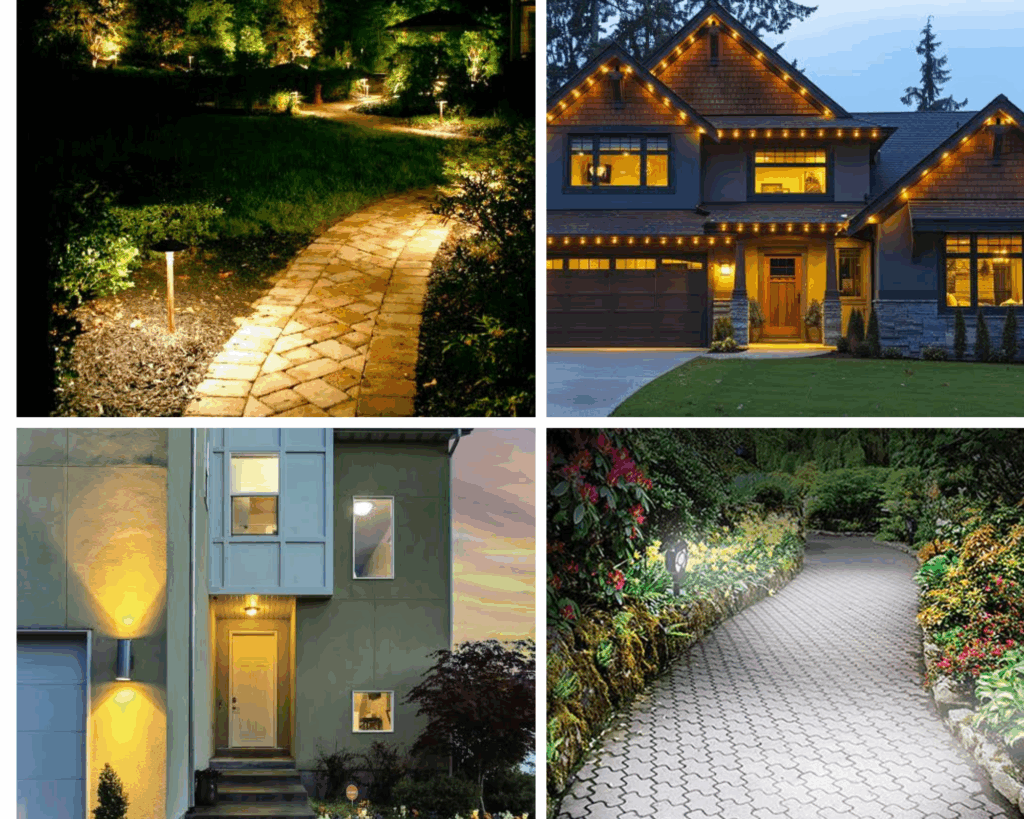
Effective landscape lighting not only enhances the beauty of your outdoor spaces but also improves safety and usability. Among the various lighting options available, two of the most commonly used fixtures—pathway lights and spotlights—each serve unique and essential roles in a well-balanced lighting design. Understanding their differences, strengths, and ideal placement can help you make informed decisions that complement both the aesthetics and functionality of your landscape lighting plan.
Choosing between pathway lights and spotlights doesn’t have to be an either-or decision. In fact, a thoughtfully designed landscape lighting system often uses both to create contrast, depth, and dimension. The interplay between soft pathway glows and bold spotlight beams helps define spaces, direct movement, and craft a layered lighting scheme that’s both practical and visually stunning.
By carefully considering the purpose of each area in your yard, the mood you want to create, and the features you’d like to highlight, you can develop a cohesive lighting plan that blends safety, beauty, and function. The key lies in balance—knowing when to guide with subtlety and when to make a statement.
Choosing the Right Light for Your Outdoor Space in Austin
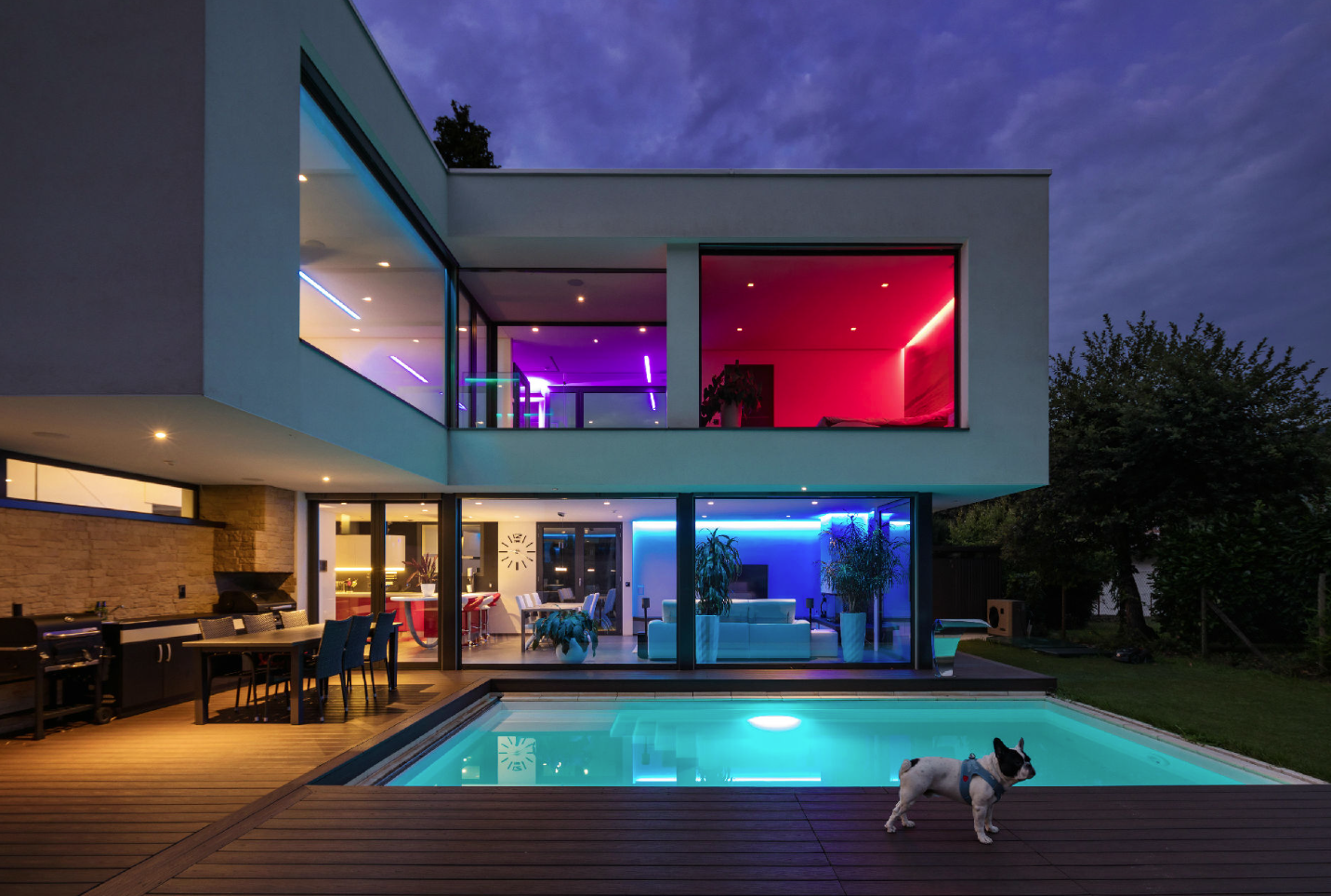
Lighting is a design language, and like any language, using the wrong “word” in the wrong place can change the entire message. When it comes to outdoor landscape lighting in Texas, two of the most commonly confused tools in the lighting toolbox are pathway lights and spotlights.
Also Read: How Outdoor Lighting Increases Your Home’s Value in Austin’s Market
Both play a crucial role—but knowing when, where, and how to use each can be the difference between an average yard and a breathtaking one.
At Sunscape Outdoor Lighting, we’re here to break down the battle of Pathway Lights vs. Spotlights, so you can make the best choice for your home or commercial property.
Understanding Pathway Lighting
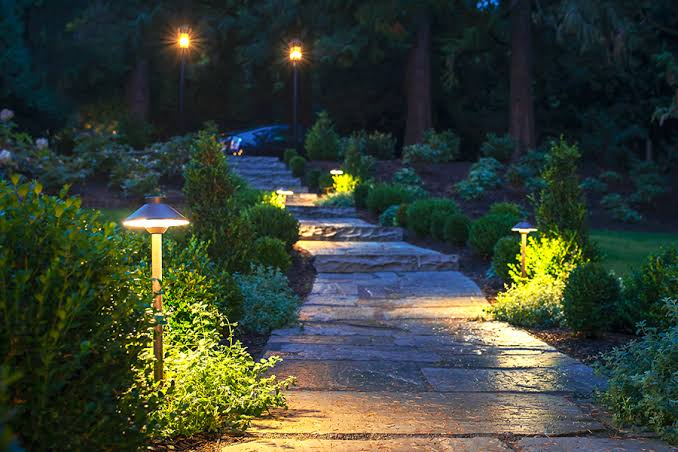
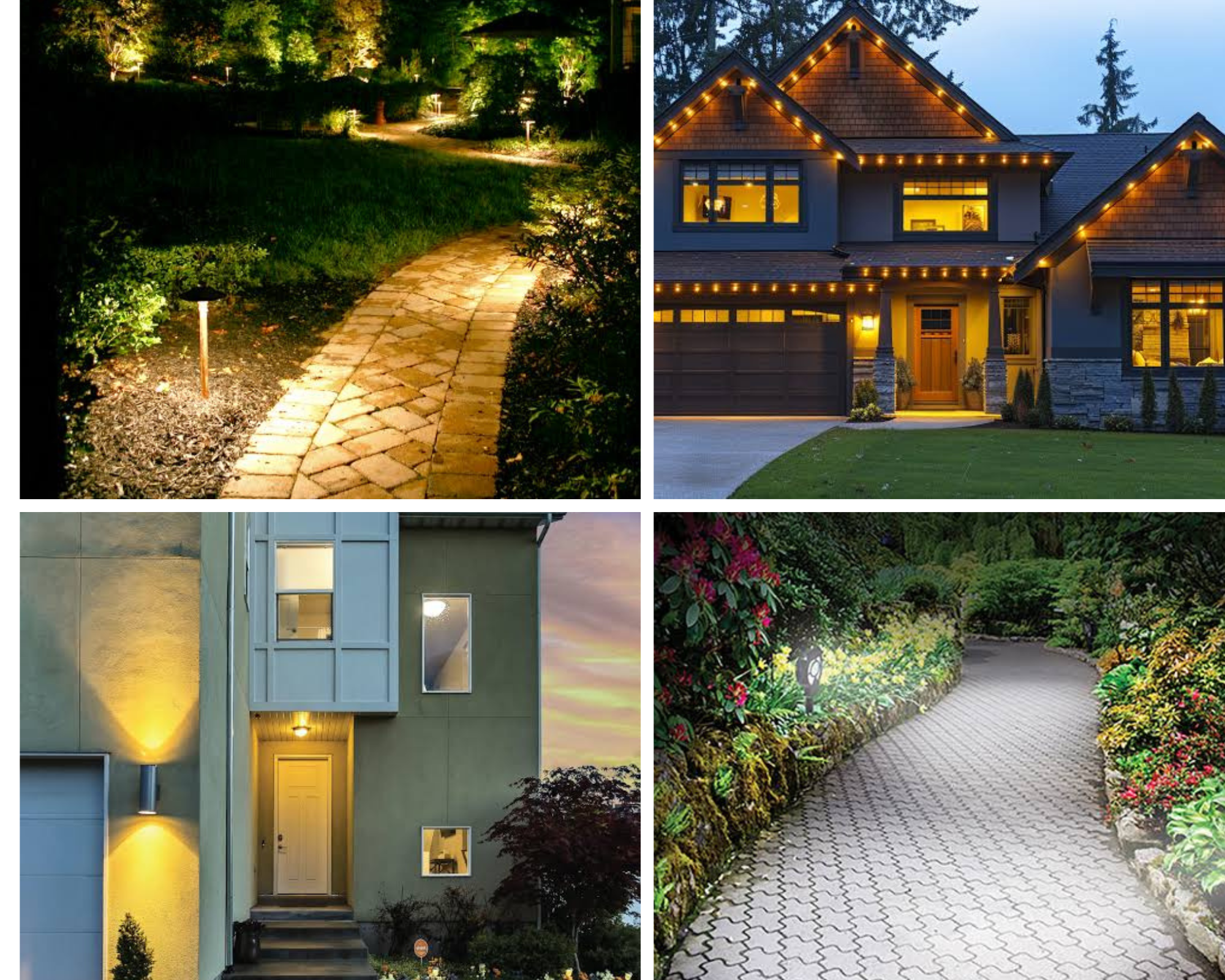
Pathway lights are designed to illuminate walkways, driveways, and garden paths. They are typically installed at ground level and emit a soft, downward light to guide movement and prevent accidents.
Benefits of Pathway Lighting
- Safety: Illuminates walkways to prevent trips and falls.
- Aesthetics: Adds a charming glow to garden paths and driveways.
- Security: Deters intruders by eliminating dark areas around your property.(Menards, Seattle Sustainable Landscapes)
- Improved Visibility: Great for guiding guests safely through your property.
- Soft Ambience: Creates a warm and inviting glow.
- Low Energy Usage: Most use low-voltage or solar-powered LEDs.
- Design Versatility: Available in a wide range of styles and finishes.
Pathway lights come in various styles and power sources, including solar-powered options that are energy-efficient and easy to install.
Pathway lights are small, usually low-profile fixtures designed to line walkways, garden paths, and driveways. Their primary purpose is safety and subtle ambiance.
Common Applications
- Along sidewalks and driveways
- Around garden beds and stepping stones
- Bordering patios or decks
Exploring Spotlights
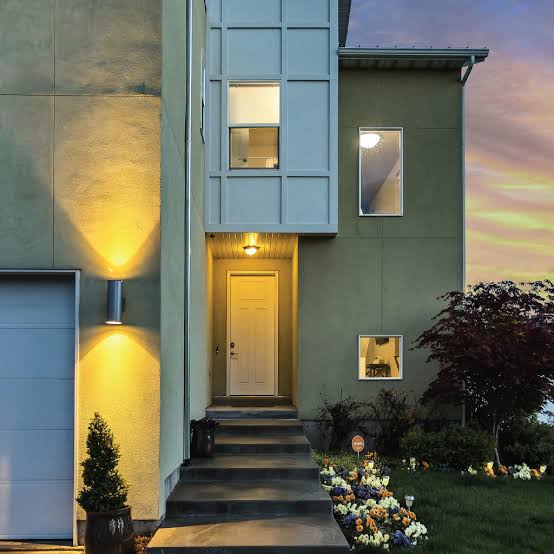
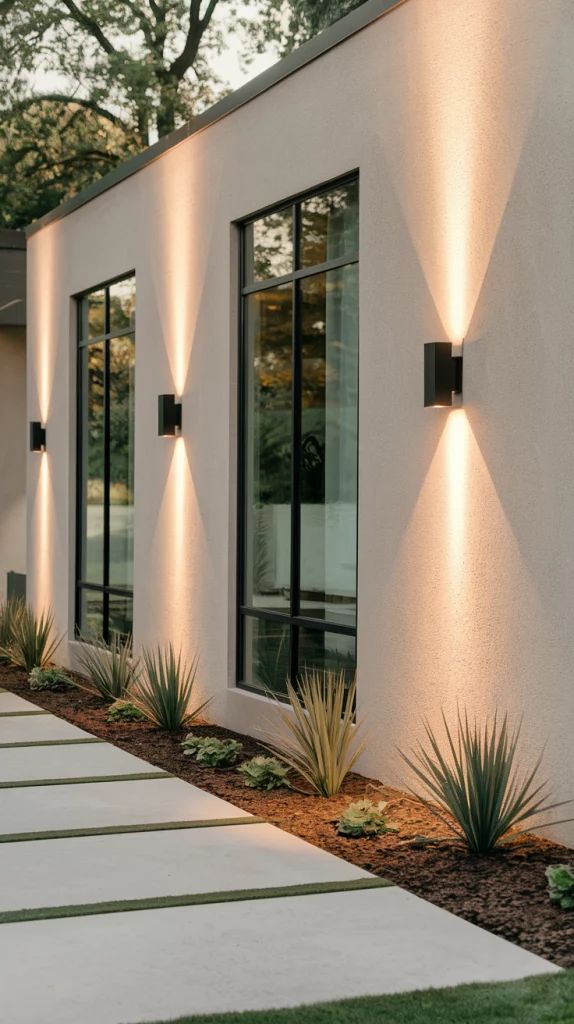
Spotlights are used to highlight specific features in your landscape, such as trees, sculptures, or architectural elements. They emit a focused beam of light, drawing attention to particular areas.
Advantages of Spotlights
- Highlighting Features: Emphasizes focal points in your garden or yard.
- Versatility: Can be adjusted to different angles and intensities.
- Security: Brightens dark corners, enhancing the safety of your property.
- Add Drama & Depth: Creates contrast and texture in nighttime landscapes.
- Flexible Placement: Can be adjusted to direct light where it’s needed most.
Spotlights are ideal for creating dramatic effects and adding depth to your landscape design. (Top Notch Landscape Lighting)
Spotlights are directional lights used to highlight specific architectural or landscape features. They’re powerful, focused, and designed to draw the eye.
Common Applications
- Uplighting trees or walls
- Highlighting entryways or columns
- Creating visual focal points
Comparative Analysis: Pathway Lights vs. Spotlights
| Feature | Pathway Lights | Spotlights |
| Purpose | Illuminate walkways and paths | Highlight specific landscape features |
| Light Direction | Downward, diffuse light | Focused, directional beam |
| Installation Height | Ground level | Elevated or ground-mounted |
| Aesthetic Impact | Subtle, guides movement | Dramatic, draws attention |
| Energy Efficiency | Often solar-powered | Typically wired or high-powered |
| Maintenance | Low, especially solar options | May require more frequent adjustments |
Choosing between pathway lights and spotlights depends on your specific needs. For guiding movement and ensuring safety, pathway lights are ideal. To accentuate features and add drama, spotlights are the better choice.
Integrating Both Lighting Types
For a comprehensive landscape lighting plan, consider integrating both pathway lights and spotlights. This combination ensures safety while highlighting the beauty of your outdoor spaces.
Tips for Integration
- Layered Lighting: Use pathway lights for general illumination and spotlights for accents.
- Consistent Style: Choose fixtures that complement each other in design and finish.
- Energy Considerations: Combine solar-powered pathway lights with energy-efficient LED spotlights.
A well-thought-out lighting plan enhances the functionality and aesthetics of your landscape.
People Also Read: Sunscape Holiday Lighting | Top 10 Ways To Bring the Spotlight on Your Home During the Holidays
When to Use Both: The Ideal Lighting Combination for Texas Yards
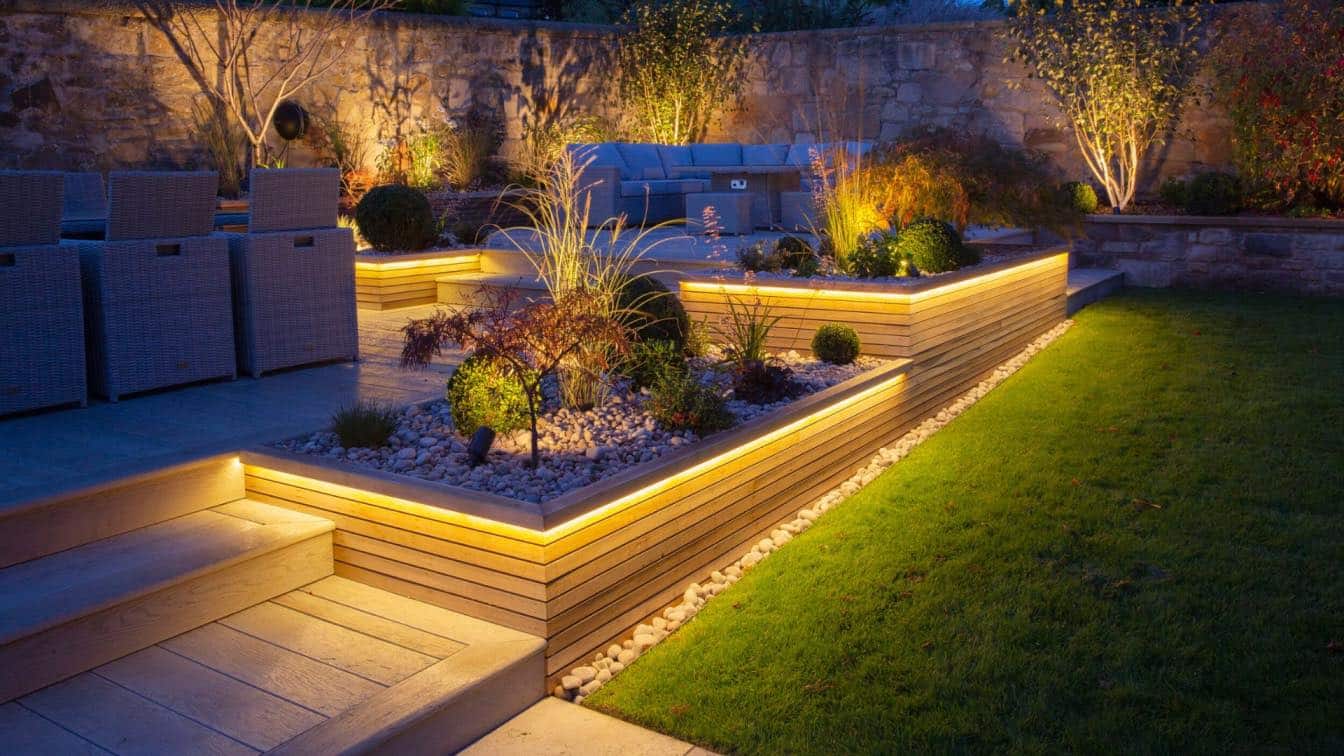
In most cases, the best outdoor lighting design isn’t about picking one or the other—it’s about using both together to create layers of light. This is especially important in Texas, where wide yards and diverse landscaping elements demand varied lighting techniques.
At Sunscape, we call this technique “lighting harmony.” Each light has its part to play, contributing to a cohesive and breathtaking final look.
Incorporating Smart Technology into Landscape Lighting
Modern landscape lighting systems can be enhanced with smart technology, offering greater control and customization.
Benefits of Smart Lighting
- Remote Control: Adjust lighting settings from your smartphone or tablet.
- Automation: Set schedules for lights to turn on and off automatically.
- Energy Efficiency: Monitor and reduce energy consumption through smart controls.
- Integration: Sync with other smart home devices for a cohesive system.
Implementing smart technology in your landscape lighting plan adds convenience and efficiency, allowing you to create the perfect ambiance with ease.
Design Mistakes to Avoid with Landscape Lighting
Even with the right fixtures, poor execution can ruin your outdoor lighting. Here are some of the most common mistakes we’ve seen (and corrected) in Austin-area yards:
1. Overlighting
Too many spotlights can make your yard feel like a stadium. Use them selectively.
Flooding your outdoor space with intense beams not only overwhelms the natural charm of your landscaping—it can also create uncomfortable brightness for guests and neighbors. Overlighting washes out shadows and depth, leaving your yard looking flat and artificial rather than warm and welcoming.
Instead of trying to light everything, focus on highlighting a few key features such as trees, architectural details, or pathways. A layered lighting approach—with a mix of ambient, task, and accent lights—creates a more balanced and inviting environment.
2. Uneven Spacing
Pathway lights placed too close or too far apart ruin the effect. We recommend spacing them every 6–8 feet for consistent glow.
Incorrect spacing can result in either dark gaps that make walkways feel unsafe or an overwhelming runway effect that looks unnatural. Lighting should guide movement subtly, not distract from it.
By spacing path lights evenly and using fixtures that direct light downward, you achieve a clean, professional appearance. For wide walkways or curved paths, adjust placement to maintain symmetry and coverage without overcrowding.
Don’t forget to factor in the terrain—sloped or uneven surfaces may require different spacing for optimal visibility and style.
3. Wrong Color Temperature
Warm white (2700K–3000K) is best for residential settings. Avoid harsh cool white unless you’re lighting a commercial space.
Color temperature has a major impact on mood and aesthetics. While cool white (above 4000K) may seem brighter, it often feels sterile and is better suited for office buildings or security applications.
Warm white lighting mimics the glow of candles and incandescent bulbs, creating a cozy and inviting atmosphere that flatters natural textures and foliage.
Consistency is also key—mixing different temperatures across the yard can result in a jarring, uncoordinated look. Choose a temperature range and stick with it for a unified design.
4. Poor Angling
If a spotlight is aimed too high, it can create glare. Always adjust for minimal eye discomfort and maximum drama.
Incorrect angling doesn’t just look awkward—it can blind visitors and reduce the effectiveness of the fixture. Lights aimed directly at eye level or into windows can cause serious glare issues, disrupting both aesthetics and comfort.
To get it right, tilt spotlights just enough to highlight the target without exposing the bulb. For example, uplighting on a tree should illuminate the trunk and branches, not the sky. Accent lights should graze walls or plants, not shoot straight across walkways.
Consider using glare shields or adjustable fixtures for more control, especially when highlighting architectural elements or water features.
Trust professionals like Sunscape to help you avoid these pitfalls.
Our team understands the art and science of outdoor lighting design. From fixture selection to precise installation, we ensure every angle, color, and watt is chosen with purpose. With years of experience serving Austin homes, we know what works in this unique climate and landscape.
Best Materials for Weatherproof Fixtures in Texas
The harsh Texas sun, heavy rains, and occasional freezes mean your lighting fixtures need to be as tough as they are stylish. Here’s what to look for:
- Die-cast aluminum: Lightweight and rust-resistant
- Marine-grade stainless steel: Durable and corrosion-resistant
- Brass or copper: Patina beautifully over time and resist weather
- Sealed LED bulbs: Longer life span and better moisture protection
These materials ensure that your pathway or spotlight fixtures will last through the unpredictable Austin climate.
Ready to Light Up Your Landscape the Right Way?
Whether you’re spotlighting your favorite tree or lighting the path to your door, Sunscape Outdoor Lighting brings expert design and top-quality fixtures to every project. Let’s make your outdoor space shine.